

Editor’s note: This story focuses on the topic of mental health and suicide. If you or someone you know is having suicidal thoughts, call the National Suicide Prevention Lifeline at 988.
For many years, Trent Johnson kept private the details of his brother Luke’s death. He’s since begun to share.
“I feel that I can't ask people to talk about it if I can't talk about it myself,” said Johnson, vice president of the Midwest for PCL Construction. “So, I've slowly, over the last few years, gotten more and more comfortable with sharing the story.”
During a large company meeting on mental health, Johnson told his colleagues that Luke had died by suicide in 2013.
Afterward, he said his phone buzzed with responses. People had begun reaching out directly and immediately. They offered condolences, thanked him for sharing his story, offered their own stories and said it helped give them new context for the mental health crisis in construction.
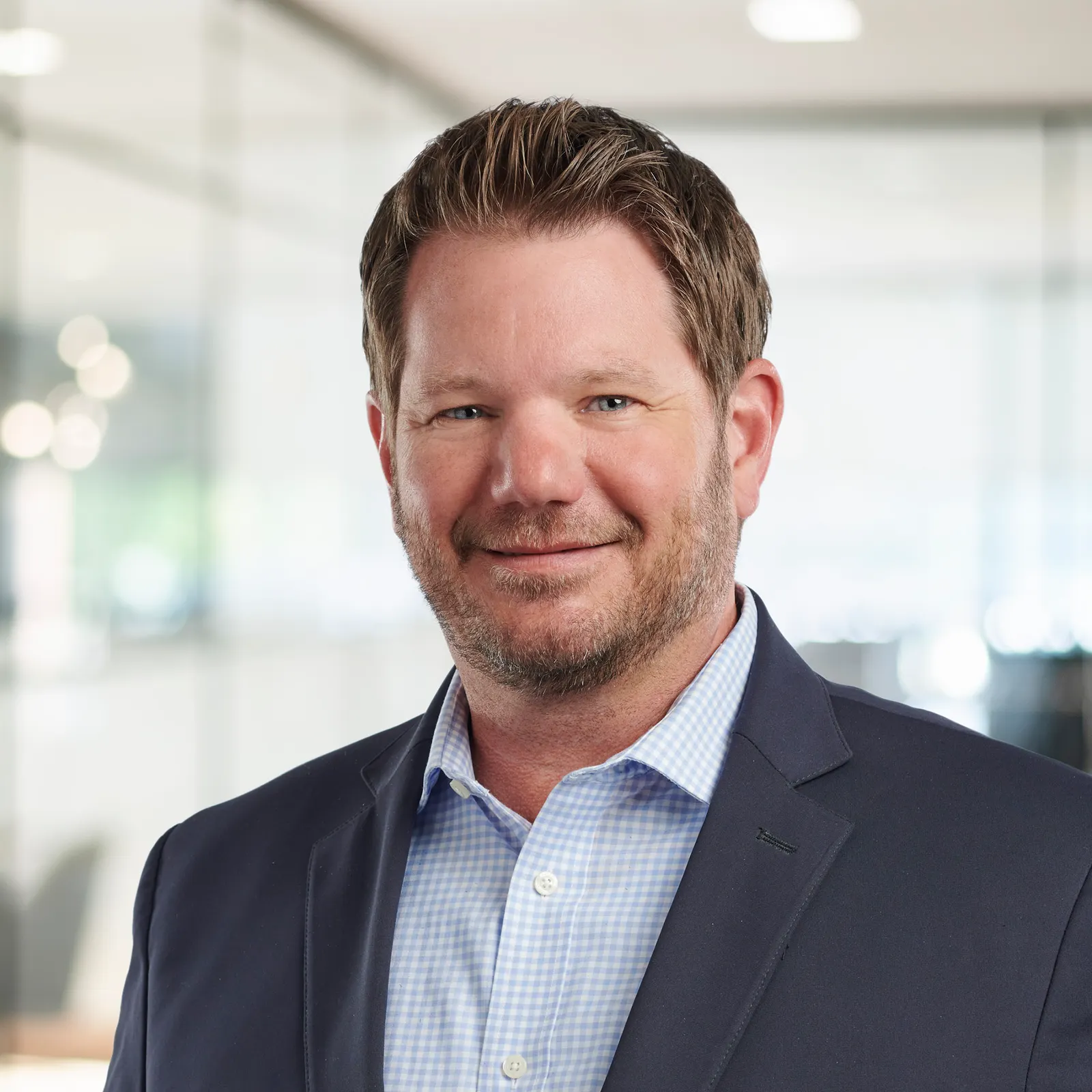
Johnson’s story is only one factor in his passion on the topic, he said. He pointed to other events he backs, such as a charity golf tournament supporting suicide prevention later this month.
And he’s prepared for more conversations now, during Construction Suicide Prevention Week, which started Monday. September also marks National Suicide Prevention Awareness Month.
This week, which has formally run since 2019, provides crews with the opportunity to stand down and discuss mental health struggles in an effort to remove stigma.
But Johnson and other experts told Construction Dive that in order to affect change, more needs to be done. If the industry is going to help those most vulnerable to mental health issues, they must go beyond prevention to address the underlying causes.
“We need to move from awareness to action,” Johnson said.
Construction and suicide
The construction industry has consistently ranked as having one of the highest rates of worker deaths by suicide. In 2024, construction counted 41.9 deaths by suicide per 100,000 workers, according to the most recent data analyzed by North America’s Building Trades Unions and CPWR — The Center for Construction Research and Training.
While those statistics are sobering, there are signs of progress. The 2024 numbers marked a small decrease, as 1.7% fewer construction workers died by suicide compared with the year before.
The issue has also garnered attention at the federal level. In August, Sen. Catherine Cortez Masto of Nevada introduced the Constructing the Path to Suicide Prevention Act to better research and understand the issue.
Continuing to lower that gap is no small task, experts told Construction Dive. Efforts must be constant and consistent, they said, and include new offerings from employers to support workers’ mental health.
Counseling and employer assistance
John Gaal, director of worker wellness at the nonprofit Missouri Works Initiative, has conducted extensive studies on suicide within the construction trades. During one survey of carpenter apprentices in St. Louis and Toronto, he noticed 0% of respondents said they utilized employee assistance programs or member assistance programs when struggling with mental health.
Assuming the percentage was rounded, Gaal checked the raw numbers to confirm: zero respondents had taken advantage of EAPs or MAPs.
“This was very disturbing,” Gaal said. “And as I dug further into this in our industry, there's only about 3-7% uptake on EAPs and MAPs.”
Josh Liss, CEO and co-founder of Counslr, a text-based mental health support platform, has found similar data, with human resource reps reporting as low as 2% uptake on EAPs.
Moreover, as Counslr has begun partnerships with employers in the construction space, Liss said 89% of employee users reported it was the first time they used company-offered mental health assistance.

He theorized the low EAP use stems from the workers who, after using free resources, eventually need to pay for sessions out of pocket.
“So people say to themselves, ‘Is the issue I'm dealing with big enough to use up one of my free sessions or should I suck it up and wait for a bigger issue?’” Liss said. “Which forces people to think with their wallets, which is not what we want.”
Macho man stigma
For years, the prevention drumbeat has been to remove the stigma around mental health struggles. Mental health education and awareness has made a difference, PCL’s Johnson said.
“I can tell you unequivocally that on projects where we have actually had people with mental health crises on our project sites and the superintendents were trained in how to approach someone that's in a mental crisis and walk them through it and talk them through it, it's been very, very, effective,” he said.
Still, it’s also vital to find the people who are not inclined to speak up in the midst of those crises, said Stephanie Lemek, former HR construction professional and founder of The Wounded Workforce, a mental health consulting firm.
“My favorite audience is the person who absolutely does not want to be talking about mental health,” said Lemek, who also sits on this year’s Construction Suicide Prevention Week board. “That foreman or superintendent with their arms crossed, rolling their eyes, saying, ‘I can do this work. I've been doing it for years. I don't need that support.’”
Although lessening the stigma has made it easier for some to speak out, there will always be a few “John Wayne types,” she said, who require a different approach.
“I'm a big believer of starting in a place of existing strength,” she said. “Instead of having mental wellbeing, like Kumbaya circles, everyone is used to talking about safety on the jobsite. So maybe it's as simple as, once a month, your safety stand down or your toolbox talk is mental health focused.”

The cycle of pain
That tough guy mentality doesn’t come out of nowhere, Lemek noted. Construction is hard work, which requires both physical and mental fortitude. Sometimes the nature of that work creates strain, a direct tie into mental health struggles.
Repetitive work and heavy lifting or serious injuries can impact construction workers physically. As that happens, their emotional health struggles too, said Paula Allen, global leader of research and insights at TELUS Health, a Vancouver-based health and human services company.
“Pain leads to anxiety. Pain leads to more pain. Pain leads to a sense of helplessness,” Allen said.
As leaders seek to create safer environments for tough conversations and train for responses, addressing the causes can help get to the root of the problem.
“You can't get rid of the pain, but you can cycle in terms of the design of how you actually apply work in terms of how much you put on any one individual,” Allen said. For example, she suggested scheduling a rotation for which worker is doing the most strenuous heavy lifting, with breaks to ensure nobody is too strained.
Lemek agreed: Small changes make a difference.
“Thinking about sustainable ways that we can change those conditions over time is incredibly impactful,” Lemek said. In another suggested change, Lemek noted employers could offer crews an extra day off, even once a month, after several full weeks and full days.
This week provides an opportunity for those kinds of conversations; a context for breaking the ice on a challenging topic. But construction pros who deal with this issue hammered home the need to advance this effort year round to continuously underscore the resources available.
And, for those who may not take advantage of support, sources said addressing the strains of the job can be a step to reach both the tough and the vulnerable.
“If there was one really important take-home message that I could drill down on, it would be that the people who need support most are the least likely to speak up,” said Liss.